Mastering 3D Inflated Thanksgiving Tumbler Sublimation: A Complete Guide to Puffy Turkey Designs
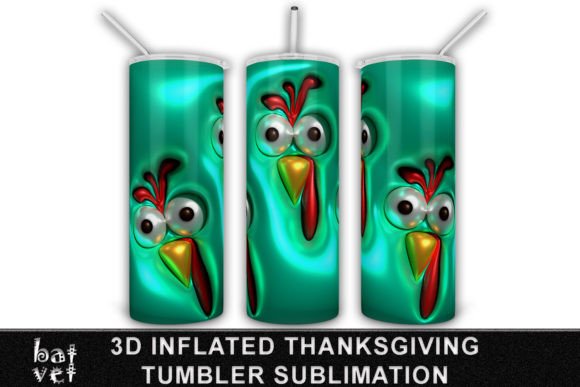
The world of custom drinkware has evolved significantly in recent years, moving beyond simple flat prints to immersive, three-dimensional experiences. At the forefront of this creative revolution is the 3D Inflated Thanksgiving Tumbler PNG, a design asset that transforms standard 20-ounce tumblers into eye-catching holiday centerpieces. For crafters, small business owners, and DIY enthusiasts, understanding how to effectively utilize 3D Turkey Tumbler Sublimation PNGs is not just about following a tutorial; it is about mastering a technique that blends digital artistry with physical product creation.
This guide explores the intricacies of using puffy Thanksgiving turkey inflated 3D designs for sublimation. We will break down the technical requirements, the aesthetic appeal, and the practical steps needed to achieve professional-grade results. Whether you are new to sublimation or looking to expand your holiday catalog, this article provides the foundational knowledge necessary to succeed.
Understanding the Appeal of 3D Inflated Designs
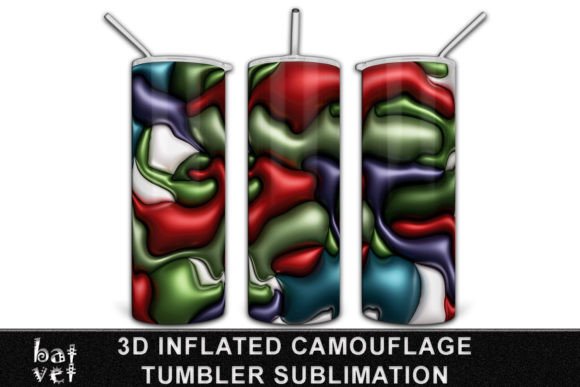
Traditional sublimation prints are two-dimensional. While they can be colorful and detailed, they lack depth. The introduction of 3D inflated designs changes this dynamic entirely. These designs utilize shading, highlights, and perspective tricks to create an optical illusion where the subject—in this case, a festive turkey—appears to bulge out from the surface of the tumbler.
The significance of this trend lies in its visual impact. In a crowded marketplace, whether online or at a local craft fair, products that pop visually capture attention faster. The puffy aesthetic mimics the look of balloon art or inflatable decorations, tapping into a playful, whimsical vibe that resonates strongly with consumers during the Thanksgiving season. It turns a functional item, like a coffee mug, into a decorative statement piece.
Furthermore, these designs are highly versatile. They fit seamlessly into modern lifestyle trends where personalization and seasonal decor are valued. For businesses, offering a 3D Inflated Thanksgiving Tumbler can differentiate their brand from competitors who rely on standard clip-art style graphics. For educators and hobbyists, it serves as an excellent project to learn advanced layering techniques in graphic design software.
Technical Specifications and File Requirements
To achieve the high-quality "inflated" look, the source file quality is paramount. When you purchase or download a 3D Turkey Tumbler Sublimation PNG, you are typically receiving a specific set of digital assets designed for precision printing. Understanding these specifications is crucial for avoiding common pitfalls such as pixelation or misalignment.
- Resolution: The industry standard for crisp sublimation printing is 300 DPI (dots per inch). This ensures that when the image is printed and transferred, the edges remain sharp, and the gradient shading that creates the 3D effect does not appear banding or blurry.
- Dimensions: For a standard 20-ounce straight tumbler, the print area is critical. The provided Print size is 9.3″x8.2″. This specific aspect ratio is calculated to wrap around the cylinder of the tumbler without significant distortion at the seams.
- File Format: The files are delivered in PNG format. PNGs support transparency, which is essential if you are layering the turkey design over a background color or pattern. However, for full-wrap designs, the PNG usually contains the entire rectangular wrap area.
It is a common misconception that any image found online can be used for sublimation. Using low-resolution JPEGs or incorrectly sized images will result in a stretched, pixelated final product that fails to convey the sophisticated 3D effect. Always verify that your source material meets the high-resolution printable PNG criteria before beginning your project.
Step-by-Step Preparation and Workflow
Executing a successful sublimation transfer requires more than just hitting "print." The process involves careful file management and preparation. Here is a logical workflow to ensure your 20 Oz Tumbler Wrap turns out perfectly.
1. Download and Extraction
When you acquire your design, you will typically receive a zip file. This compression format keeps the file size manageable for download and preserves the integrity of the data. Click on the link to download the file to your local computer. Once downloaded, the file must be unzipped. Right-click the zip folder and select "Extract All" or use your preferred extraction software. Important: Save the extracted folder to a location you can easily remember, such as your "Documents" or a dedicated "Crafting Assets" folder. Editing the name and location of the file immediately helps prevent losing track of your assets later.
2. Image Inspection and Editing
Before printing, open the PNG in your preferred design software (such as Photoshop, Canva, or Silhouette Studio). Check the dimensions to ensure they match the 9.3″x8.2″ requirement. If you wish to add personalized text, such as a name or a year, do so now. Ensure that any added elements are also high resolution to maintain the overall quality of the puffy Thanksgiving turkey aesthetic.
3. Printing the Design
Use high-quality sublimation paper and genuine sublimation ink. Standard inkjet printers will not work, as the ink needs to turn into gas under heat to bond with the polymer coating of the tumbler. Mirror your image before printing if required by your specific press method, although many modern tumbler presses do not require mirroring for full wraps. Print a test strip if you are unsure about color accuracy.
4. The Sublimation Process
Clean your 20-ounce tumbler thoroughly to remove oils and dust. Wrap the printed design around the tumbler, securing it with heat-resistant tape. Ensure the 3D Inflated Thanksgiving Tumbler PNG is aligned correctly so the turkey’s features are centered. Place the tumbler in your oven or tumbler press according to the manufacturer's instructions for time and temperature. Typically, this involves heating at around 380°F for several minutes. The heat causes the ink to sublimate, permanently embedding the 3D Turkey Tumbler Sublimation PNG into the tumbler's coating.
Common Misunderstandings and Troubleshooting
Even with high-quality files, issues can arise. One common assumption is that the "3D" effect is physical. It is important to clarify that the inflated 3D design is a visual illusion created through digital art, not a textured surface. The tumbler itself remains smooth. If the design looks flat after pressing, it may be due to insufficient heat or pressure, or potentially a low-quality source file that lacked the necessary contrast and shading.
Another frequent error involves color management. Screens display colors in RGB (Red, Green, Blue), while sublimation printers use CMYK (Cyan, Magenta, Yellow, Key/Black). Bright neon colors on your screen may appear duller on the tumbler. To mitigate this, always perform a test print on paper first to gauge color output. Additionally, ensure your tumbler has a proper polymer coating; sublimation only works on coated surfaces, not bare metal or ceramic.
The Broader Impact on Creativity and Business
Incorporating 3D Inflated Thanksgiving Tumbler Sublimation into your repertoire is more than just a seasonal tactic; it is a skill-building exercise. It teaches precision, digital file management, and an understanding of how digital images translate to physical objects. For educators, this project can illustrate concepts of geometry (wrapping a 2D plane around a 3D cylinder) and chemistry (the sublimation process).
For small business owners, these designs offer a high perceived value. Customers are often willing to pay a premium for items that look complex and professionally designed. By leveraging puffy and inflated aesthetics, creators can tap into the emotional connection people have with holidays, offering products that evoke warmth, festivity, and joy.
In conclusion, the 3D Turkey Tumbler Sublimation PNG represents a intersection of technology and tradition. By respecting the technical requirements—such as the 300 dpi resolution and correct 9.3″x8.2″ print size—and following a disciplined workflow, anyone can produce stunning, professional-grade holiday drinkware. As you unzip your files and begin your next project, remember that attention to detail is the key to transforming a simple digital file into a tangible piece of art.