Integrating the 3D Tree of Life Tumbler Wrap 29 into Your Sublimation Workflow
In the competitive landscape of custom drinkware, the distinction between a generic product and a standout piece often lies in the quality and uniqueness of the design assets used. For creators, small business owners, and hobbyists engaged in sublimation printing, selecting the right digital file is not merely an aesthetic choice; it is a foundational step in ensuring production efficiency and customer satisfaction. The 3D Tree of Life Tumbler Wrap 29 represents a specific type of high-resolution digital asset designed to streamline this process. By understanding how this file fits into the broader workflow of tumbler customization, you can optimize your production timeline, reduce waste, and elevate the perceived value of your final products.
This article explores the practical implementation of the 3D Tree of Life Tumbler Wrap 29, focusing on its technical specifications, integration with standard sublimation tools, and strategies for maintaining consistency in your output. Whether you are scaling a small Etsy shop or creating personalized gifts for a community event, mastering the use of such specialized digital downloads is essential for professional results.
Understanding the Asset Specifications and Quality Standards
Before integrating any digital design into your production line, it is crucial to understand its technical parameters. The 3D Tree of Life Tumbler Wrap 29 is provided as a PNG file with dimensions of 9.3 inches by 8.2 inches at 300 DPI (dots per inch). These specifications are not arbitrary; they are calibrated for the standard 20 oz skinny tumbler, which is one of the most popular formats in the sublimation market.
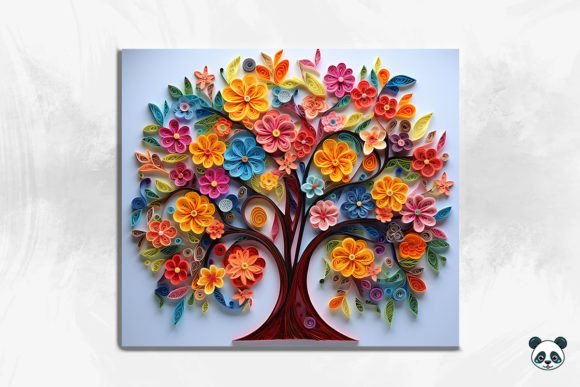
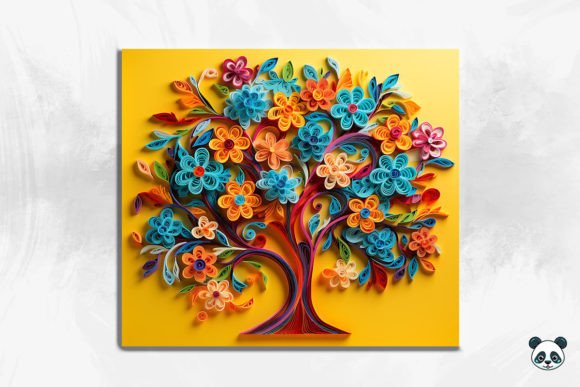
The resolution of 300 DPI is the industry standard for high-quality printing. Lower resolutions may result in pixelation or blurriness when stretched over the curved surface of a tumbler, particularly noticeable in intricate designs like the Tree of Life. The 3D effect mentioned in the title refers to the visual depth created through shading and layering within the design, giving the illusion of texture without requiring physical embossing. This visual complexity demands a high-fidelity source file to ensure that the gradients and details remain crisp after the heat transfer process.
When you purchase this instant digital download, you receive a ZIP file containing the single PNG asset. It is important to note that this is a digital product only; no physical items are shipped. This immediate access allows for rapid prototyping and just-in-time production, reducing inventory costs associated with pre-printed stock. However, it also places the responsibility of file management and preparation squarely on the user.
Pre-Production Preparation and File Management
Effective workflow begins before the printer is even turned on. Upon downloading the ZIP file, the first step is extraction and organization. Create a dedicated folder within your digital asset library for "Tumbler Wraps" or "Tree of Life Designs." Naming conventions matter; consider renaming the file to include key descriptors such as date, size, and theme (e.g., 2024_TreeOfLife_3D_Wrap29_9.3x8.2.png). This practice ensures that you can quickly locate the asset months later when reordering supplies or fulfilling repeat orders.
Compatibility is another critical factor. Ensure that your design software—whether Adobe Photoshop, Illustrator, Canva, or Silhouette Studio—can handle high-resolution PNG files with transparency if applicable. While the 3D Tree of Life Tumbler Wrap 29 background is typically fully printed, checking for transparent edges or specific color profiles (sRGB is standard for sublimation) can prevent unexpected color shifts during printing.
Additionally, verify your hardware settings. Sublimation printers require specific paper types and ink formulations. The quality of the digital file can only be realized if the physical medium supports it. Use high-quality sublimation paper that minimizes ink bleed, and ensure your printer heads are clean to avoid banding lines that could disrupt the seamless nature of the 3D design.
Integration into the Sublimation Process
Once the file is prepared, the next phase is application. The dimensions of 9.3 x 8.2 inches are designed to fit the printable area of a 20 oz skinny tumbler with minimal overlap or gap. However, slight variations in tumbler manufacturing mean that precise alignment is key. When importing the PNG into your design software, place it on a canvas that matches your tumbler’s exact circumference and height if you are creating a full wrap template.
For those using heat presses, the 3D Tree of Life wrap requires consistent pressure and temperature. The intricate details of the tree branches and leaves can suffer if the heat distribution is uneven. Pre-press your tumblers to remove moisture and wrinkles from the protective tape or shrink wrap. When applying the printed design, ensure the seam is aligned straight. A crooked seam can distort the 3D effect, making the design look amateurish.
Time and temperature settings should follow the recommendations of your specific sublimation ink and paper manufacturer, but generally, 380-400°F for 150-180 seconds is a common range. Because the design features a complex background, monitor the first few prints closely. If the colors appear washed out, you may need to adjust your printer’s color profile or increase the press time slightly. Conversely, if the image looks burnt or overly dark, reduce the temperature or time.
Quality Control and Consistency in Production
Scaling a business requires consistency. The 3D Tree of Life Tumbler Wrap 29 should produce identical results across multiple batches. To achieve this, implement a quality control checkpoint after every five to ten prints. Check for color accuracy, alignment, and surface defects. Keep a reference sample of a "perfect" print to compare against new outputs. This visual benchmark helps identify drift in printer performance or changes in material quality.
Document your settings. Create a standard operating procedure (SOP) that records the exact ICC profile used, the heat press settings, and the type of tumbler brand that yields the best results with this specific wrap. This documentation is invaluable when training employees or when you need to troubleshoot issues after a period of inactivity.
Furthermore, consider the end-user experience. The 3D aesthetic of the Tree of Life design appeals to customers looking for spiritual, nature-inspired, or artistic elements. Ensure that the final product is sealed with a high-quality epoxy or UV-resistant coating if durability is a selling point. This not only protects the sublimated image but also enhances the glossy, premium feel that complements the 3D visual depth.
Strategic Use in Marketing and Product Diversification
Beyond production, the 3D Tree of Life Tumbler Wrap 29 can be a strategic asset in your marketing efforts. High-resolution mockups generated from the PNG file can be used in online listings, social media posts, and email campaigns before you even print a single physical item. This allows you to test market response and gauge interest without upfront material costs.
Consider bundling this design with complementary products. The Tree of Life motif resonates with themes of growth, connection, and mindfulness. Pairing the tumbler with journals, yoga mats, or eco-friendly accessories can create cohesive gift sets that appeal to a broader audience. Use the seamless nature of the pattern to extend the design onto matching coasters or laptop sleeves, creating a unified brand aesthetic.
Additionally, leverage the "instant download" aspect of your supply chain. Since you do not hold physical inventory of the design, you can offer limited-edition runs or seasonal variations without risk. If a particular design trend fades, you simply stop promoting it. This agility is a significant advantage over traditional manufacturing models.
Long-Term Value and Asset Utilization
Investing in high-quality digital assets like the 3D Tree of Life Tumbler Wrap 29 pays dividends over time. Unlike physical stock, digital files do not degrade, get lost in shipping, or occupy warehouse space. With proper organization and backup strategies, these assets become a permanent part of your creative library. You can revisit and reuse them for future collections, anniversary editions, or custom client requests.
Regularly update your portfolio with new wraps to keep your offerings fresh, but retain proven sellers like the Tree of Life design. Analyze sales data to understand which designs resonate most with your audience. Use these insights to inform future purchases or custom design commissions. The goal is to build a curated collection of high-performing assets that drive consistent revenue.
In conclusion, the 3D Tree of Life Tumbler Wrap 29 is more than just a pretty picture; it is a tool that, when used correctly, enhances efficiency, quality, and profitability in your sublimation business. By focusing on technical precision, workflow integration, and strategic marketing, you can maximize the value of this digital download and deliver exceptional products to your customers.